
NIGERIA

ARCHES in Nigeria

Problem: In Nigeria, similar to global estimates, one in three (36%) ever-married women reported that they have ever experienced physical, sexual, or emotional violence by their husband/partner (Nigeria Demographic and Health Surveys or NDHS 2018). From 2008-2018, in some states, rates of intimate partner violence (IPV) increased from 21% to 47%. The PMA2020 found a prevalence of reproductive coercion (RC) among reproductive-aged women in need of contraception in Kano and Lagos, Nigeria in the past year to be at 5% and 2.9%, respectively.

Overview: Under the USAID  MOMENTUM Country and Global Leadership project in Nigeria, Jhpiego adapted and integrated ARCHES into family planning and antenatal care services along with the Nigerian guidelines on healthcare for those who have experienced GBV, which was itself adapted from the World Health Organization (WHO) LIVES (Listen, inquire, validate, enhance safety and support) approach.
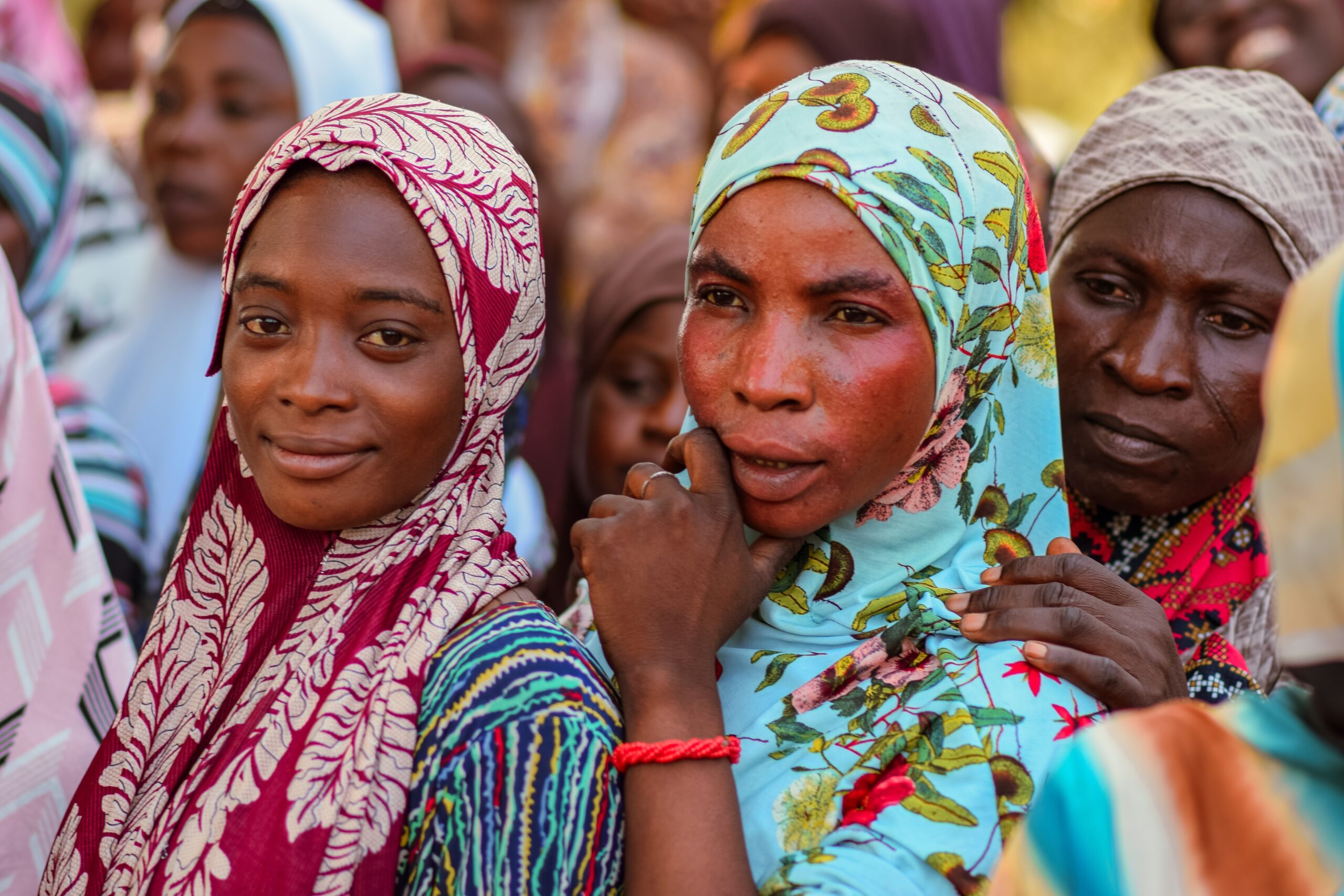

  • Purpose: To adapt and integrate ARCHES with LIVES for public facilities in Nigeria. 
  • Timeline: 2021-2024, complete
  • Context: Family planning and antenatal care services within public health Nigeria facilities, in Ebonyi and Sokoto states. 
  • Primary goals: To adapt and integrate ARCHES and LIVES in a way that is feasible, acceptable, and effective to reduce and respond to IPV experiences including RC and increase modern contraceptive use. 
  • Evaluation design: Matched-pair cluster-controlled trial with baseline, exit, and 9-month follow-up. 
  • Adaptation: Adapted and combined LIVES and ARCHES strategies aimed to respond to survivors’ emotional, physical, safety and support needs, and help them make informed decisions to seek support. Study materials were developed through a participatory process that included stakeholder review (Ministry of Health, State Government officials, and health officers), field testing and refining the materials with clients and providers over an eight-week period. These materials included job aids for providers, posters and other educational materials for clients. This was followed by a three-day provider training focused on IPV, RC, provider bias and survivor centered care as well as post-training and regular supportive supervision and mentoring visits during the study period to continue to ensure fidelity and improve quality of services. 
  • Primary findings: At endline, the odds of exposure to IPV or sexual violence in the last six moths was 46% lower (AOR=0.54, 95% CI 0.30-0.98), and the odds of exposure to RC in the last six months was 49% lower (AOR=0.51, 95% CI 0.28-0.94) in the intervention group compared to the control group, respectively, when compared to baseline levels and adjusted. There was no difference in use of modern contraceptives comparing clients at intervention clinics to control clinics over time, as both intervention arms saw an increase in use of modern contraceptives. 
  • Lessons learned: Training and mentoring were crucial in significantly enhancing providers’ overall capabilities over time particularly in delivering gender-based violence (GBV) services. Providers now emphasize comprehensive care, including counseling, and feel more confident and competent in their roles. The intervention notably also increased GBV service awareness among clients. The study suggests that the intervention may have served as the first exposure for many women to the idea that violence is unacceptable, potentially triggering a positive response to the availability of services or safety actions. 
  • Partners and funding: Jhpiego, Funded by USAID