INDIA

ARCHES in India

Problem: The most recent National Family Health Survey (NFHS) in India reveals that around 29% of women have experienced intimate partner violence (IPV). Many also face reproductive coercion (RC), driven by social norms that prioritize early and frequent childbearing and a preference for sons. Nearly half of all pregnancies are unintended, and contraceptive discontinuation rates are high: 1 in 2 women using modern contraceptives discontinue within 12 months. Research indicates that women experiencing IPV or RC face a significantly higher risk of unintended pregnancy and contraceptive discontinuation due to compromised reproductive autonomy and restricted access to contraceptive methods.

Overview: Under the USAID funded project, Agency for All, the UCSD Center on Gender Equity and Health is supporting the adaptation of ARCHES for public and private family planning health systems in India.

  • Purpose: To adapt ARCHES for delivery in public and private family planning systems including training of facility- and community-based providers.
  • Timeline: 2023-2025, active – adaptation
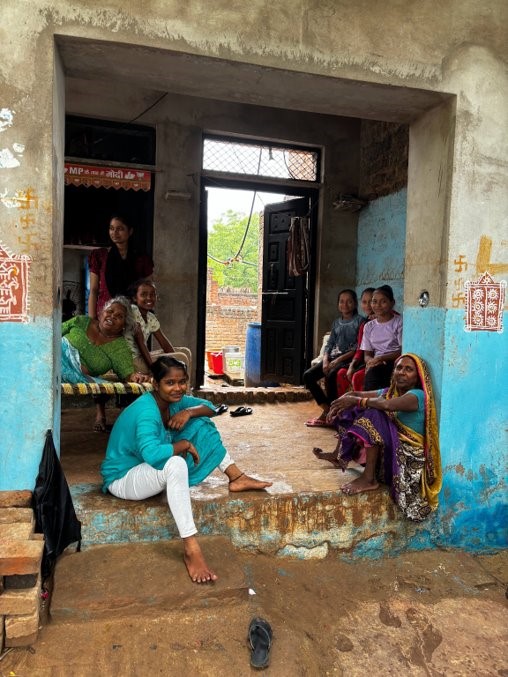
  • Context: Government of Madhya Pradesh  public facilities (district hospital, primary health centers, and sub-centers) and Family Planning Association of India (FPAI) private facilities within standard family planning counseling and community-based workers (e.g. ASHAs, AWWs) within home visits and community outreach events.
  • Primary goals: To adapt ARCHES in a way that is feasible, acceptable, and can be implemented with high fidelity, quality, and sustainability in both public and private service sectors to poise the model for national scale-up.
  • Evaluation design: Pre-post design with short-term follow-up among intervention clients and trained providers, qualitative interviews and service statistic tracking. 
  • Adaptation: A Human centered design approach (HCD) is being used to adapt ARCHES based on a rapid needs assessment with women’s groups, providers, and other local stakeholders, this included a co-creation workshop, development of prototypes, and validation workshops. Major adaptation decisions to date include the use of the mini booklet as the entry-point for community-health workers and re-design of the ARCHES tools and flow to the context. The strategy of IPV screening and referral is most challenging in this context due to concerns around privacy and backlash, though stakeholders have identified creative strategies to feasibly include this at the facility-level.
  • Partners and funding: GEH-UCSD, International Planned Parenthood Federation (IPPF), FPAI, Sambodhi, Funded by USAID under the cooperative agreement Agency for All.
  • Resources: